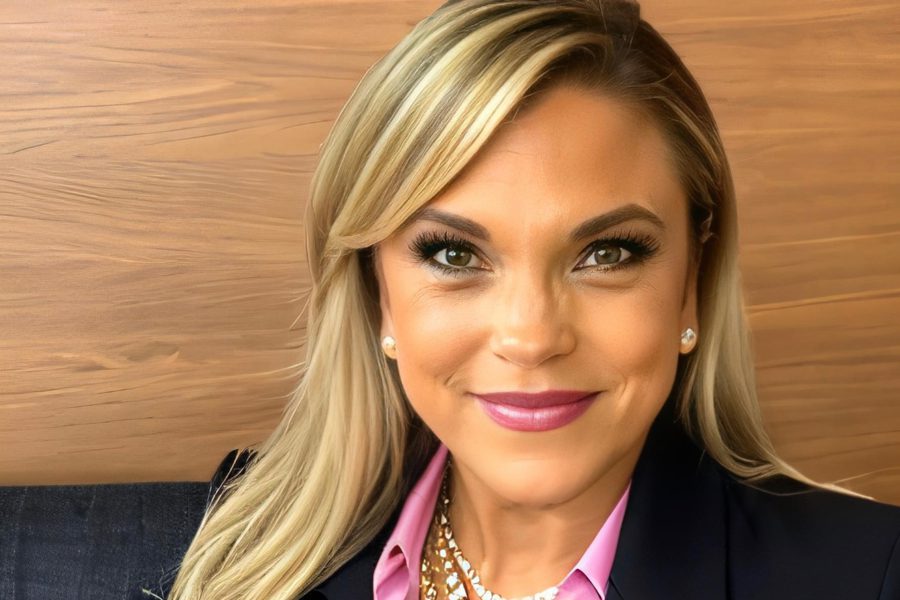
By Michaele Gantz, Mediator and Founder of Consenso Mediation | Serving Saratoga County, Albany Conty, Schenectady County and the surrounding areas
A calm, private approach that helps couples feel supported while making important decisions
Divorce is rarely simple. Even when both people agree it is time to move forward, the process itself can feel heavy. Emotions surface quickly. Decisions pile up. And uncertainty often replaces clarity.
For many couples, the stress does not come only from the divorce. It comes from how the divorce unfolds. Traditional litigation can intensify conflict during an already difficult chapter. Court schedules feel rigid. Communication breaks down. And people often feel unheard.
Divorce mediation offers a different experience.
At Consenso Mediation, couples across Albany County, Saratoga County, and the Capital Region choose mediation as a calmer, more thoughtful way through divorce. Led by Divorce Mediator Michaele Gantz, the process focuses on respect, understanding, and forward-looking problem solving.
Divorce is challenging. The process does not need to add more strain.
When the Process Adds to the Pain
Most people entering divorce want resolution, not conflict. They want answers. They want fairness. And they want to protect what matters most to them.
Yet many feel pulled into adversarial systems that create distance instead of clarity. Conversations become positional. Tension rises. And stress takes over.
Mediation changes the tone.
Instead of reacting under pressure, people slow down. Instead of being spoken for, they speak for themselves. And instead of feeling pushed, they feel supported.
That shift alone can make a meaningful difference.
Creating Space to Be Heard
One of the most common fears people share during divorce is feeling invisible. They worry their concerns will not matter. They worry decisions will be made without their input.
Mediation addresses that fear directly.
The process creates intentional space for each person’s voice. Conversations move at a manageable pace. Emotions are acknowledged rather than dismissed. And clarity builds through understanding.
Michaele Gantz brings a steady, compassionate presence to this work. She listens closely. She reflects thoughtfully. And she helps each person feel respected, even when emotions are difficult.
As Michaele often says, “When people feel heard and supported, they’re better able to make decisions that truly work for their future.”
That sense of safety often opens the door to more productive conversations and stronger agreements.
Why a Calm Approach Matters
Divorce impacts more than paperwork. It affects emotional health, physical well-being, and long-term family relationships.
According to the American Psychological Association, high-conflict divorce can increase stress and negatively affect both adults and children. Approaches that reduce conflict and support cooperation tend to lead to healthier long-term outcomes.
Mediation reflects this understanding. It prioritizes communication over confrontation. It encourages problem-solving rather than blame. And it helps people stay grounded during a time of significant change.
This does not mean avoiding hard conversations. Instead, it means having them in a supported and respectful environment.
What Mediation Looks Like Day to Day
Mediation does not rush decisions. It supports informed ones.
During mediation, couples work through issues step by step. That may include parenting arrangements, financial decisions, property division, or plans for future communication. Each topic receives focused attention.
Importantly, mediation remains flexible. Sessions move at a pace that feels appropriate. Conversations adapt based on what matters most in the moment. And solutions reflect real life rather than rigid formulas.
Michaele’s role is to guide, not direct. She helps clarify options, explain implications, and support thoughtful decision-making. Throughout the process, the focus remains on collaboration rather than conflict.
Supporting Parents and Families
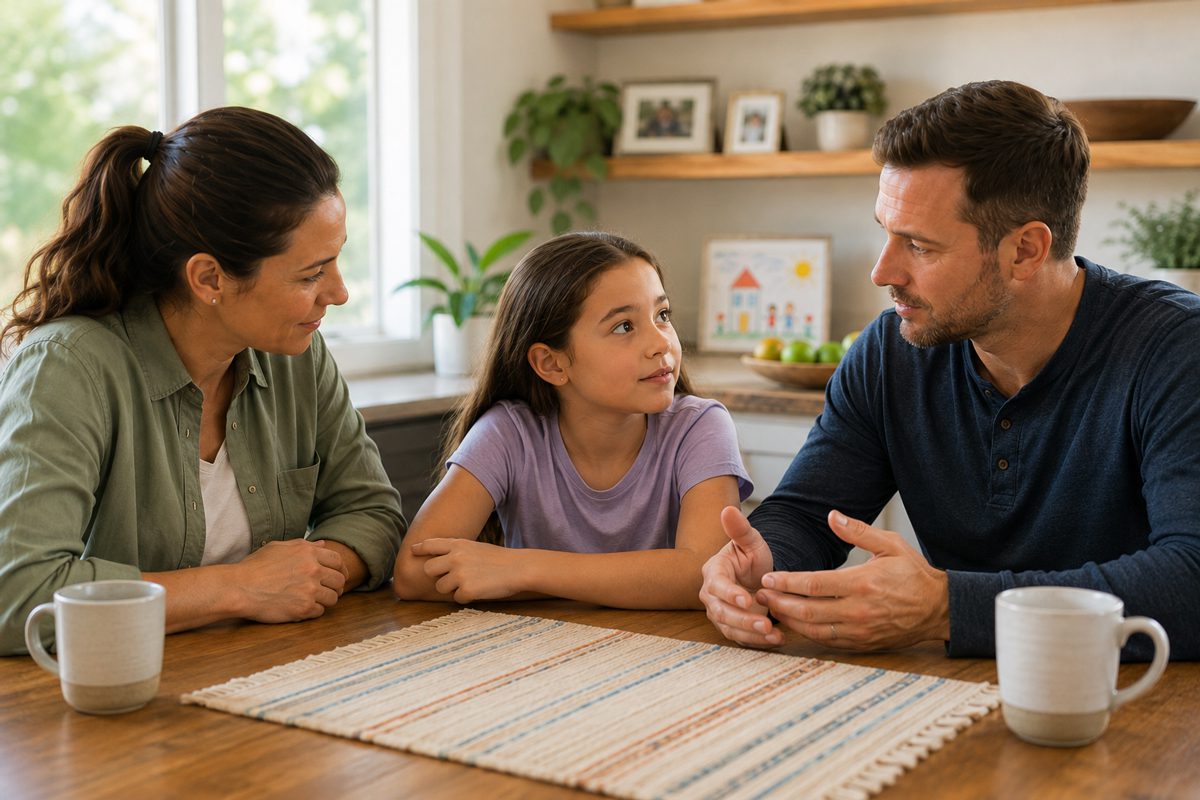
For parents, divorce carries added concern. Children sense changes quickly. And how parents navigate the process shapes how children experience it.
Mediation helps parents keep children out of adult conflict. It encourages cooperation. And it supports long-term co-parenting relationships.
By reducing tension between parents, mediation often creates a more stable foundation for families moving forward. That stability can make a lasting difference for children adjusting to change.
Looking Beyond the Immediate Decisions
Divorce is not just about reaching an agreement. It is about preparing for life afterward.
Mediation encourages forward thinking. Conversations often include future communication strategies, flexibility for changing circumstances, and tools for resolving disagreements down the road.
Because agreements are created collaboratively, both people understand the reasoning behind them. That shared understanding often leads to stronger follow-through and fewer future disputes.
In this way, mediation supports not only resolution, but resilience.
A Process Rooted in Dignity and Respect
Divorce does not have to be combative. It does not need to feel chaotic or dehumanizing.
Mediation offers a process grounded in dignity, respect, and care. It allows people to move through divorce feeling steadier and more supported.
Couples throughout Albany County and Saratoga County turn to Consenso Mediation for this approach. With Michaele Gantz’s calm guidance, clients often find clarity where they expected conflict.
To learn more, visit consensomediation.com and schedule a free consultation to explore whether mediation feels like the right path forward for you.