
Mediation FAQs
Commonly Asked Questions About Divorce Mediation and Coaching
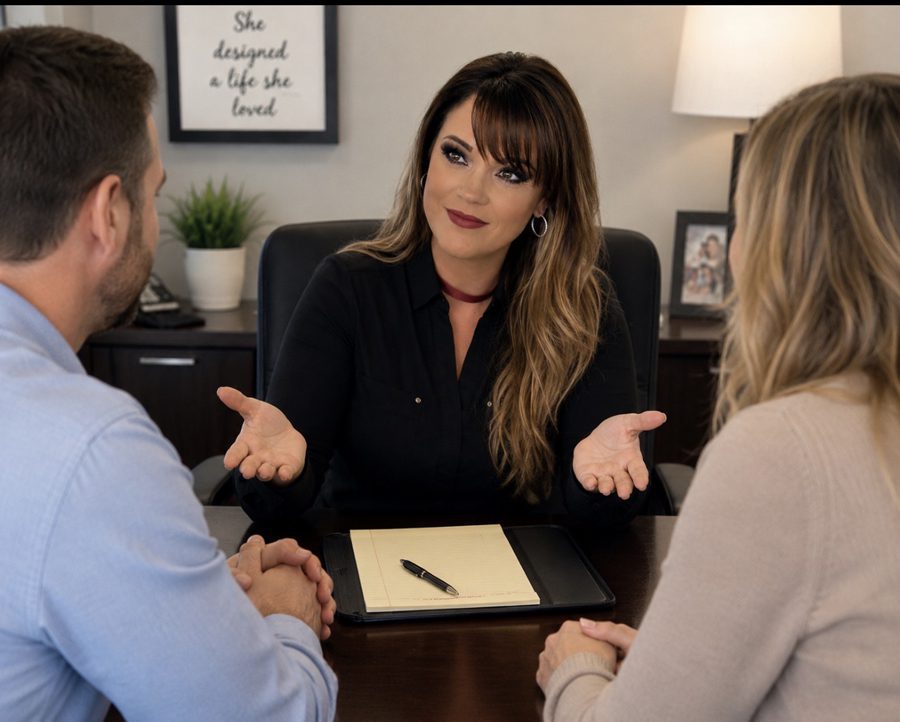
Why Choose Consenso Mediation in Saratoga County?
Mediating your divorce is less stressful and combative compared to courtroom litigation. Mediation benefits anyone with a non-criminal legal dispute, offering effective conflict resolution. At Consenso Mediation & Divorce Coaching, we mediate disputes ranging from child custody to elder care and business matters. Even high-conflict cases tend to have better outcomes through mediation.
Where is Consenso Mediation Located?
Consenso Mediation & Divorce Coaching is based in Ballston Lake, Saratoga County, and proudly serves clients throughout Albany, NY and the surrounding Capital Region. We work with couples, families, and businesses navigating mediation across Saratoga, Albany, Schenectady, Rensselaer, Columbia, Greene, Warren, and Washington counties, as well as neighboring areas both large and small. In addition to in-person services, we offer virtual consultations and mediation services, making support accessible no matter where you’re located in New York State.
What is the Difference Between Mediation and Arbitration
Mediation and arbitration differ in their decision-making processes. In mediation, the mediator lacks the power to make a final decision. Instead, the parties involved work together to reach a mutual agreement they can both accept. On the other hand, an arbitrator can make a decision without requiring approval from any party involved.
How Much Does Mediation Cost?
Mediation offers a highly cost-effective approach to resolving legal disputes, granting parties greater control over the outcome. At Consenso Mediation & Divorce Coaching, we charge an hourly fee for our mediation services. The total cost is shared among the involved parties in a manner they all agree upon. Learn more about our rates here.
What is the first Step in the Mediation Process?
The initial step in mediation is introducing all parties in a neutral, safe environment. During this stage, the subjects and goals of the discussion are defined. Children are usually not present during this stage of the process. You can schedule a free consultation with Consenso Mediation & Divorce Coaching by clicking here.
What Type of Paperwork is Prepared For Mediation
Once an agreement is reached, your mediator will prepare a Memorandum of Understanding. This document outlines the agreed-upon terms. To finalize it, the memorandum will need to be notarized. Consenso Mediation & Divorce Coaching suggests having an attorney review the paperwork before signing for added peace of mind. We work with attorneys who are able to help you through this part of the process.
Involving Children in Mediation
At Consenso Mediation & Divorce Coaching, we prioritize the wellbeing of children in any dispute. If children are of an appropriate age and wish to be involved, they can participate in discussions about custody and visitation. Their inclusion in the process is always handled with care and consideration for their best interests.
Working with Children in Mediation
At Consenso Mediation & Divorce Coaching, we value and respect the voices of children. Our approach involves listening to each party, including children, to understand their unique perspectives and goals. Depending on the case, mediators may conduct individual discussions with each party (caucusing) or facilitate a group discussion to find the best path forward. Our priority is ensuring a supportive and inclusive environment for all involved parties, including children.
What if the Other Party Does Not Want to Participate in Mediation?
For mediation to take place, all parties involved must be fully willing to participate and cooperate with the process. An open mind and a cooperative attitude are crucial elements in the mediation process. Without the genuine willingness of all parties, the mediation may not be effective.
Can a Mediator Provide Legal Advice?
No, mediators do not give legal advice to any parties involved in the mediation process. While mediators possess knowledge about legal matters, they strictly adhere to current state standards, refraining from offering legal advice during mediation.
Do I Need a Lawyer
Whether you need a lawyer depends on the specifics of your case and is entirely your choice. At Consenso Mediation & Divorce Coaching, we empower our clients to explore their options and make decisions that best suit their unique circumstances.
Can My Lawyer Attend Mediation?
Yes. If you have retained the services of an attorney, you are welcome to invite them to attend mediation with you. Your lawyer can be present to provide support and legal counsel during the mediation process.
How Can I Trust That I Will Get a Fair Decision?
Mediation prioritizes mutual agreement, client control, and overall fairness, assuring a balanced outcome. At the conclusion of mediation, you will receive a Memorandum of Understanding. We recommend having this document reviewed by your attorney for added assurance. Consenso Mediation & Divorce Counseling is committed to achieving a fair resolution for all parties involved, even in high-conflict cases.
How Much Time Does Mediation Take?
The timeframe for a mediation case varies based on clients’ specific needs, goals, and the complexity of the matter. At Consenso Mediation & Divorce Coaching, we carefully assess each case to provide a realistic timeline and ensure dedicated attention throughout the process. Our commitment is to see every case through to its desired resolution.
How can I prepare for Mediation?
To prepare for mediation, we advise you to reach out to Consenso Mediation & Divorce Coaching and share the details of your specific situation. Our experienced experts will provide valuable guidance on how to best prepare for your mediation case and ensure a successful process.
What do I do if I’m not safe?
Call 911 or the National Domestic Violence Hotline at 1-800-799-SAFE (7233) if you, your children, or any of your loved ones are in danger.